22 Aug 2026
The Evolution of Player Strategies Around Bonus Integration in Continuous-Access European Slot and Lottery Platforms
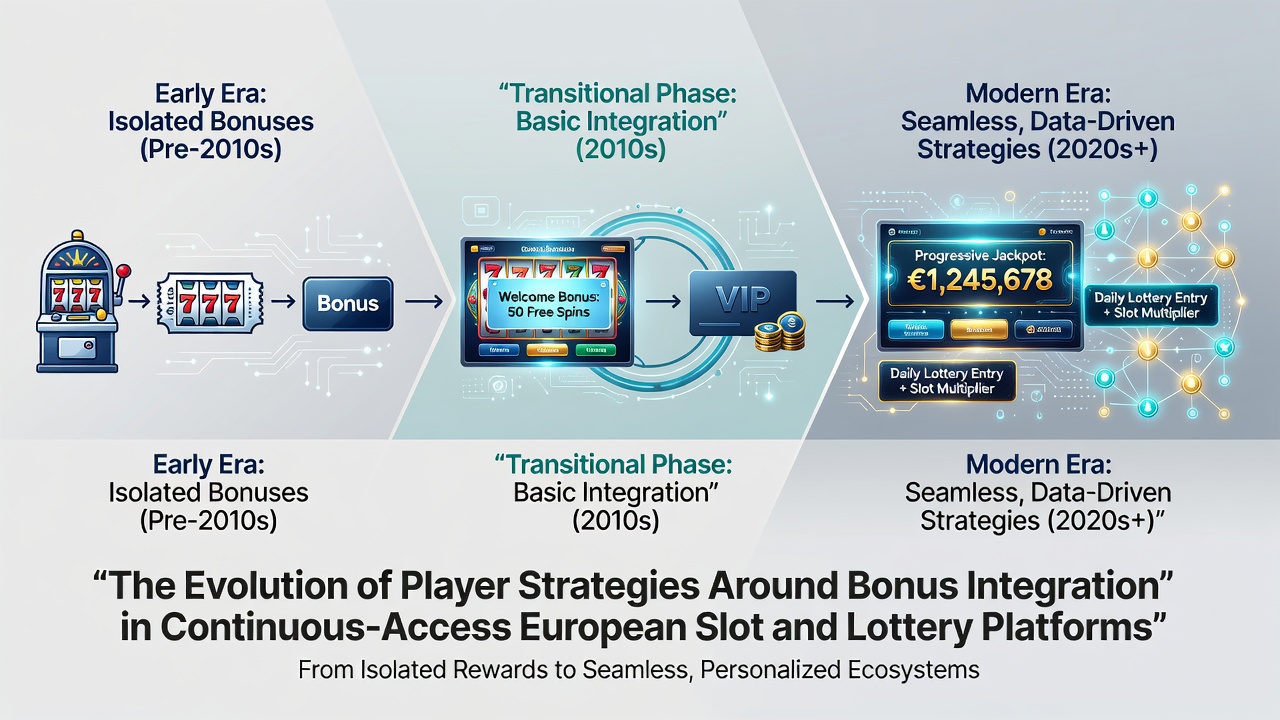
Continuous-access European slot and lottery platforms have operated around the clock since the early 2000s, and player strategies tied to bonus integration have shifted in measurable ways as operators refined reward systems and regulators updated rules across multiple jurisdictions. Data from industry reports show that initial bonus structures in the mid-2000s relied on straightforward deposit matches, while later iterations introduced tiered loyalty mechanics and time-limited free spins that required precise timing from users. Observers note that these changes prompted participants to track wagering requirements more closely and to coordinate deposits with promotional calendars released by platforms in countries such as Malta, Sweden, and the Netherlands.
Early Bonus Models and Initial Player Responses
Platform operators first integrated bonuses as simple welcome offers that rewarded new registrations with fixed percentages of deposited funds, and players responded by creating multiple accounts to capture repeated incentives before verification systems tightened. Research indicates that by 2010 many sites had added playthrough conditions that extended the number of spins or draws needed before withdrawals became possible, prompting users to develop spreadsheets that calculated effective return rates after fees. Those who studied the patterns often discovered that certain slot titles contributed more favorably to requirement fulfillment than others, leading communities to share lists of high-contribution games that appeared on forums and review sites. European regulators responded with clearer disclosure mandates, and operators adjusted bonus terms accordingly while maintaining continuous server availability that allowed round-the-clock participation.
Regulatory Shifts and Strategic Adaptation Through 2026
Updates to national frameworks in the 2015–2022 period introduced mandatory self-exclusion tools and spending caps that intersected with bonus eligibility, and participants began factoring these limits into their timing of promotional claims. Figures reveal that after Sweden implemented its licensing regime, average bonus redemption rates adjusted as players waited for verified accounts to unlock layered rewards rather than rushing deposits immediately upon registration. As of August 2026, platforms continue to refine integration methods by embedding bonus wallets directly into main account balances, which reduces friction but also requires users to monitor separate ledgers for expiring offers. A report from the European Gaming and Betting Association highlights how these seamless designs have encouraged longer session planning, with participants mapping daily login bonuses against weekly lottery draw schedules to maximize combined value without exceeding regulatory thresholds.
Case Examples of Platform-Specific Approaches
One operator based in Malta introduced a system that converted accumulated loyalty points into lottery ticket entries automatically, and players adapted by prioritizing steady low-stake play over high-variance bursts to accumulate entries steadily. In contrast, a Swedish-licensed site tied slot bonuses to progressive jackpot contributions, which led users to favor games linked to shared prize pools during peak promotional windows. Observers note that cross-platform comparisons became common as participants maintained accounts across borders and shifted activity when one jurisdiction released more favorable bonus rollover terms. Data shows that such movement remained within legal limits once operators adopted geo-fencing and account verification protocols that prevented simultaneous multi-jurisdiction play from single devices.
Data Patterns and Tool Usage Among Participants
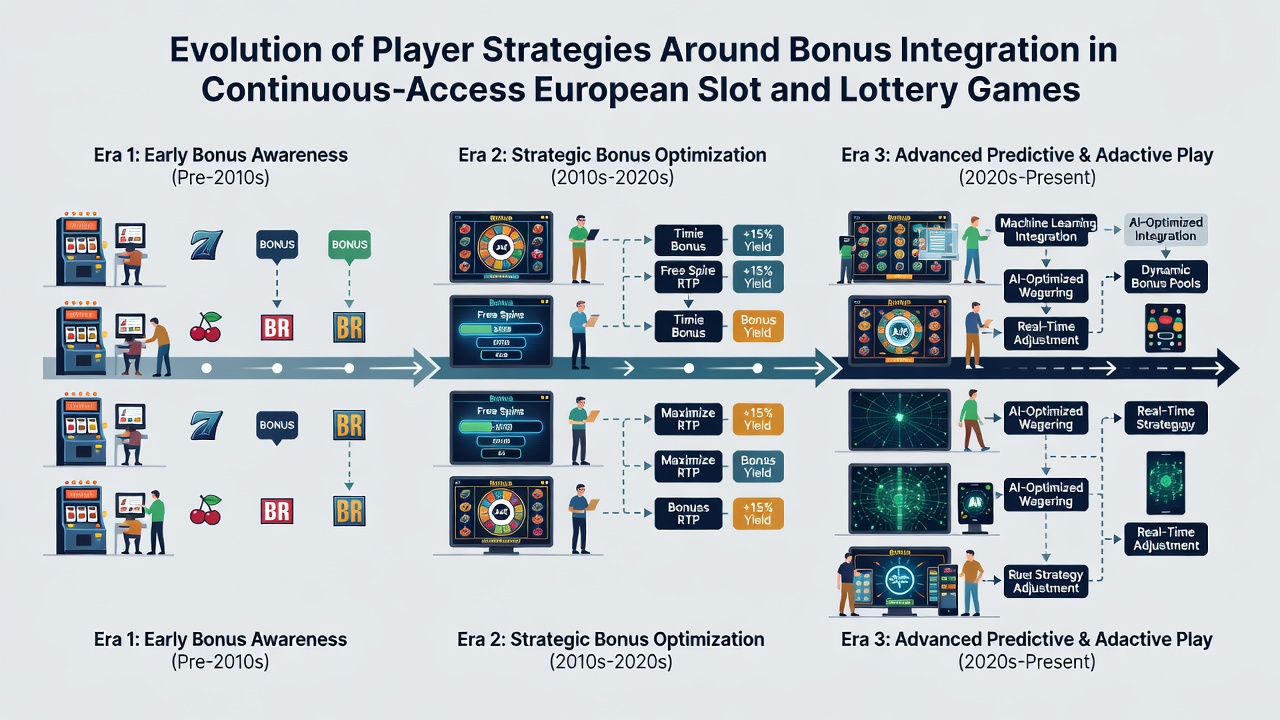
Academic studies from research institutions have examined transaction logs and found that players increasingly rely on third-party tracking applications to log bonus cycles and calculate net expected value after all conditions are met. These tools aggregate historical payout data from licensed European platforms and flag upcoming offers that align with a user’s preferred game types. Turns out that such software gained traction after operators began publishing real-time bonus ledgers, allowing participants to verify that claimed rewards applied correctly before committing further funds. Industry associations report that adoption rates for these trackers rose steadily through 2025, coinciding with the rollout of unified wallet systems that let users move funds between slot and lottery sections without additional verification steps.
Another pattern involves timing deposits around scheduled system maintenance windows, since some platforms reset bonus counters during updates and thereby create fresh eligibility periods. Participants who monitored server status pages learned to anticipate these resets and positioned their activity accordingly while staying inside responsible gaming parameters enforced by national authorities. Evidence from regulatory filings indicates that complaint volumes related to bonus disputes declined after operators introduced clearer in-app explanations of contribution percentages and expiration rules.
Conclusion
Player strategies around bonus integration on continuous-access European slot and lottery platforms have evolved alongside technological and regulatory developments, with participants adapting through systematic tracking, cross-platform coordination, and selective timing of claims. Reports from sources such as the European Commission’s gambling studies confirm that transparency measures and unified account features have altered how users approach these incentives without changing the fundamental requirement that all activity remains within licensed frameworks. As platforms continue to refine integration methods, the documented patterns suggest ongoing adjustments in how players allocate time and resources across always-available games and draws.